
Nathalie Du Pasquier
From the radical design of the 1980s to a painting that becomes architecture: it investigates how forms, colors, and objects dialogue in space, oscillating between figuration and abstraction in an imaginary suspended between reality and imagination.

Objects, space and visual relationships
Nathalie Du Pasquier (Bordeaux, 1957) is one of the most multifaceted personalities of the international art scene.
Her artistic journey began as a self-taught artist: traveling at a very young age between Africa, Australia and India, reading and observing other cultures. In 1979 he arrived in Italy, first in Rome then in Milan where he met numerous designers and in 1981 he joined the Memphis group. In 1987 he decided to devote himself entirely to painting. He looked at works from the past, from antiquity to the twentieth century, painted oil paintings and soon focused on the composition of still lifes. Always interested in ceramics, she often works with this element starting from its simplicity and functionality to explore its infinite creative possibilities.
After working as a designer in the early ’80s with the Memphis group, she devoted herself to an idea of “expanded painting” focused on investigating the relationship between objects and the space in which they are installed. A transversal research that manifests itself in countless forms and dimensions among paintings, sculptures, drawings, carpets, ceramics and books with an imaginary that oscillates between figuration and abstraction, between reality and imagination, between the representative and the non-representative.
Today his work brings abstract paintings and three-dimensional constructions into dialogue, installing and composing them in space.
The Brescia metro is beautiful, but I felt like there was no warm place to stop. I just added what was missing to the station: color.
Nathalie Du Pasquier
Meet the artists

Andreas Angelidakis
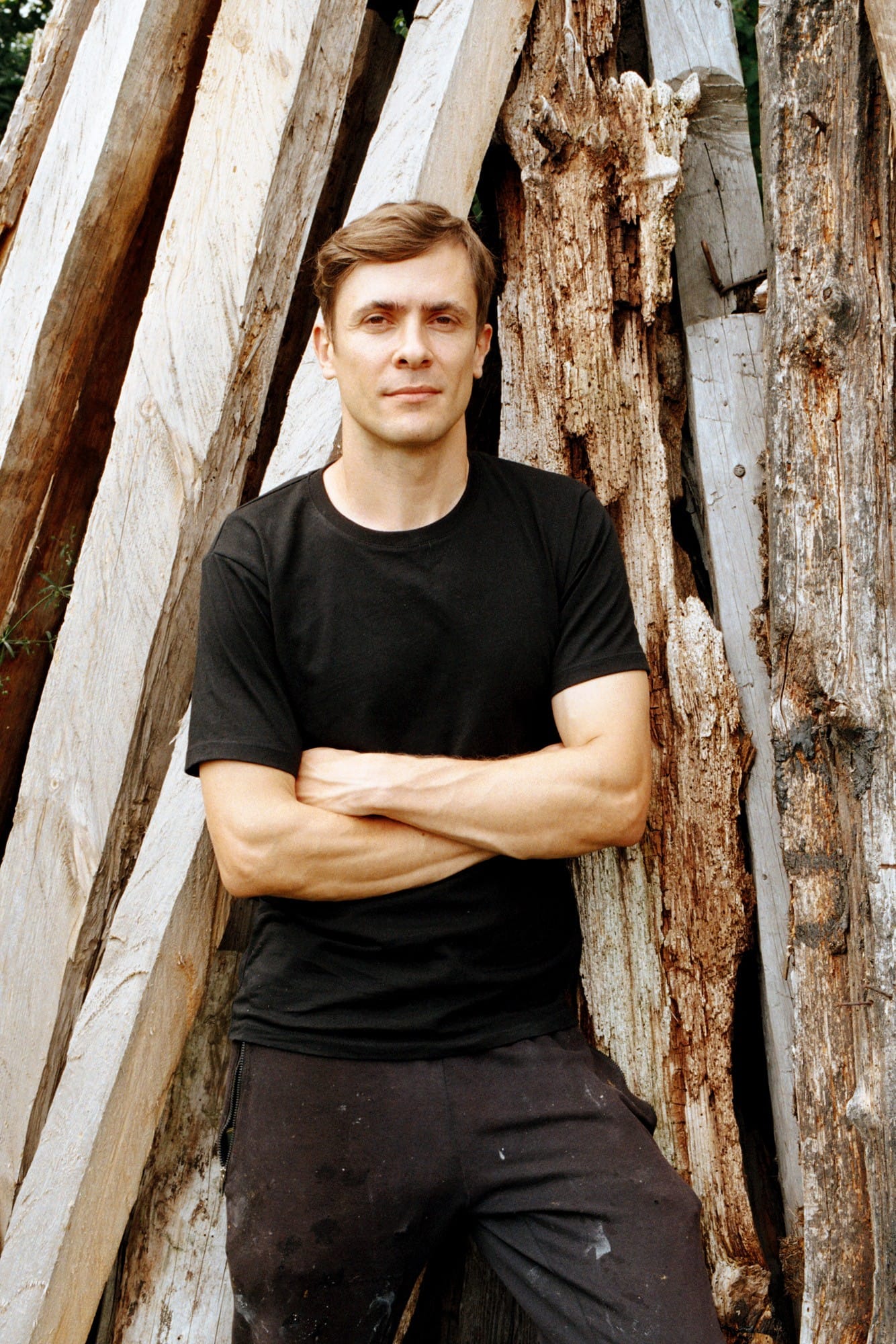
Augustas Serapinas

Emilio Isgrò

Marcello Maloberti

Patrick Tuttofuoco

J. Demsky

Luca Font

Peeta

Joys
