
Emilio Isgrò
Erasure as a gesture that does not eliminate but reveals: it transforms silence into word and absence into meaning, making subtraction a political and poetic act.

The erasure as revelation
Painter, poet, playwright and director, Emilio Isgrò (Barcelona di Sicilia, 1937) is among the absolute protagonists of Italian conceptual art of the second half of the twentieth century. From the mid-1960s, when he began deleting encyclopedias and books, Isgrò constructed a new and radical language: Cancellatura, a poetic and political gesture that does not eliminate but reveals, transforming silence into words and absence into meaning.
An internationally renowned artist, he represented Italy several times at the Venice Biennale and won first prize at the São Paulo Biennial in Brazil in 1977. Between monumental installations and literary texts, his work spans decades of Italian cultural history, intertwining writing and image, thought and matter. Milan, a city of adoption, is the focus of his research.
Symbolic works such as The Seed of the Most High (Expo 2015) and The Cancelled Constitution (2011) were born here, emblems of an art that questions society and rewrites its moral codes. From the indelible Victory achieved for Brescia in 2020 to the recent Steel World in the Santa Giulia Museum (2023), Isgrò continues to dialogue with the present, transforming the word into a civil gesture.
His works, present in the major national and international private and public collections, were exhibited at the Venice Biennale in 1972, 1978, 1986 and 1993, at the Luigi Pecci Centre for Contemporary Art in Prato (2008), at the Galleria Nazionale d’Arte Moderna in Rome (2013), at the Palazzo Reale, Gallerie d’Italia and Casa del Manzoni in Milan.
I have enthusiastically accepted the invitation from a wonderful city of the Risorgimento that I feel is mine no less than that of all Italians and, dare I add, of all Europeans of good will. A city that first had to dodge bombs from the dark, and recently the threat of the Coronavirus, paying a significant toll in lives and blood.
Emilio Isgrò
Meet the artists

Andreas Angelidakis
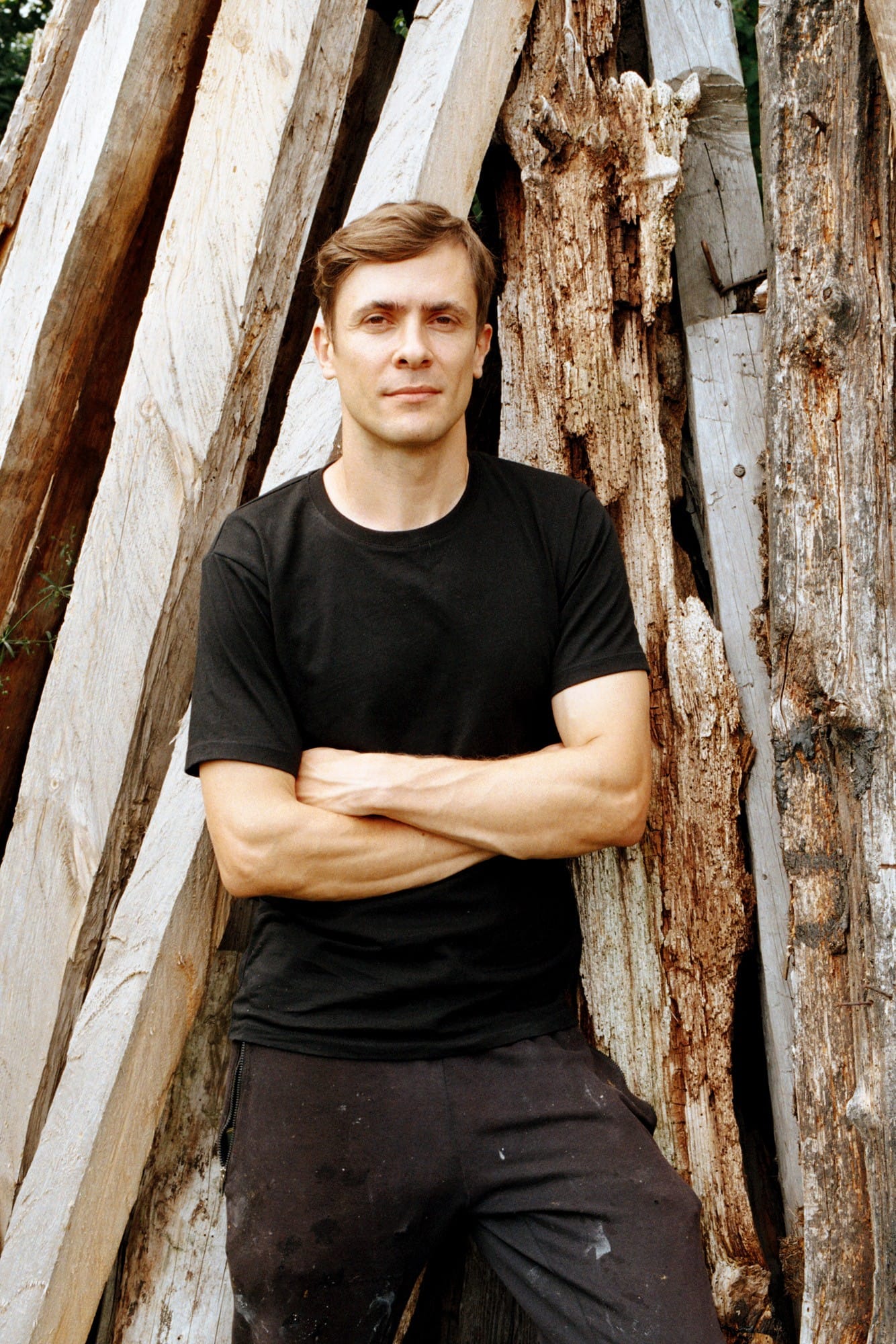
Augustas Serapinas

Marcello Maloberti

Nathalie Du Pasquier

Patrick Tuttofuoco

J. Demsky

Luca Font

Peeta

Joys
